World Environment Day 2025 | Theme: “Beat Plastic Pollution”
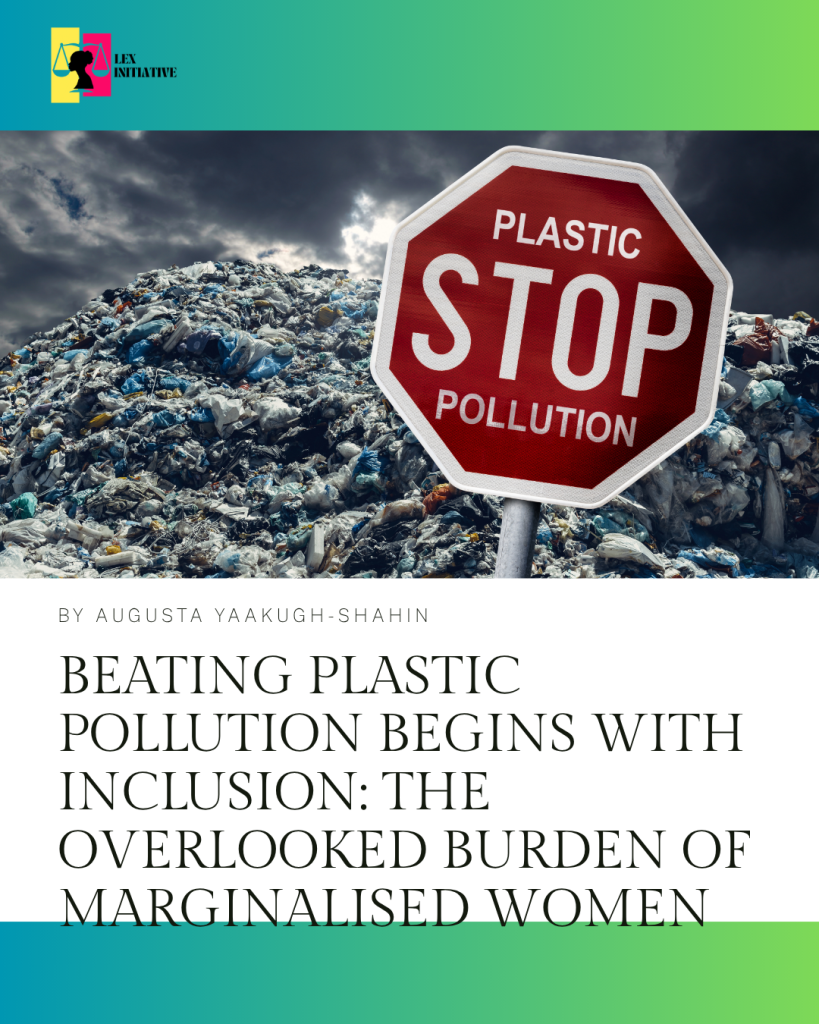
Plastic pollution is one of the most visible threats to our planet today. But behind the overflowing gutters, clogged drainages, and smoky piles of burning waste lies a deeper crisis, one of justice, protection, and inclusion.
For marginalised women in Nigeria, plastic pollution is not just an environmental issue. It is a daily reality shaped by systemic inequality, poor infrastructure, and legal invisibility. And if we are serious about beating plastic pollution, we must start by addressing those left out of our solutions.
Plastic Pollution Isn’t Gender-Neutral
From rural villages to overcrowded urban settlements, women, particularly those already living on the margins are disproportionately affected by plastic pollution.
In informal settlements, plastic waste blocks drainage systems, increasing the risk of flooding and waterborne diseases. When floods hit, it’s women-led households that bear the brunt of displacement, property loss, and health emergencies. In rural areas, plastics contaminate farms and water sources, placing additional labour burdens on women and girls responsible for collecting clean water.
Some women, especially those in vulnerable economic situations, work informally in waste collection and recycling, sorting through plastics without protective gear, formal recognition, or health coverage. Yet these women are rarely acknowledged in Nigeria’s environmental or labour policies.
Legal and Policy Gaps Deepen the Crisis
Despite efforts to tackle plastic pollution, Nigeria’s legal and environmental frameworks have failed to account for the intersection of gender, poverty, and pollution.
Women affected by plastic waste are often:
- Denied access to formal waste management systems,
- Overlooked in environmental planning,
- Excluded from climate resilience schemes,
- And unprotected in both the law and practice.
The informal workers who collect and sort recyclables often sustaining the very circular economy we hope to build — operate without legal recognition, fair wages, or safety provisions.
If we do not recognise these gaps, any attempt to “beat plastic pollution” will only address the surface — not the systems of exclusion that keep women vulnerable.
What Lex Initiative Is Doing
At Lex Initiative, we believe that beating plastic pollution starts with legal empowerment, feminist lawyering, and intersectional policy change.
Our approach includes:
- Delivering legal education in communities impacted by environmental neglect;
- Supporting advocacy for the recognition and protection of informal waste workers, especially women;
- Strengthening the capacity of feminist lawyers and paralegals to engage with environmental law;
- Documenting the lived experiences of women affected by pollution, to shape policy that reflects reality.
We know that plastic waste is not distributed equally and neither are legal rights or political power.
Restoration Must Mean Inclusion
As the world rallies around the theme “Beat Plastic Pollution”, we must be honest: this crisis is not just about waste, but about who gets left behind when solutions are designed without them.
This World Environment Day, we call on policymakers, civil society, and the legal community to ensure that:
- Gender and social equity are integrated into plastic regulation and waste management;
- Marginalised women are included in decision-making and benefit from clean-up and recycling initiatives;
- Legal frameworks protect all citizens from environmental harm, especially those at the margins.
True restoration requires recognition, representation, and rights.
A Future That Protects Everyone
Beating plastic pollution is urgent. But doing it justly is non-negotiable.
If we want clean cities, healthy rivers, and resilient communities, we must start by protecting those most exposed to pollution and least protected by the law.
Let us build a world where environmental sustainability and legal dignity walk hand in hand.
About the Author
Augusta Yaakugh-Shahin is a feminist lawyer and the Executive Director of Lex Initiative for Rights Advocacy and Development. She leads legal empowerment programmes at the intersection of gender justice, climate policy, and sustainable development.