We are pleased to announce that the Lex Initiative for Rights, Advocacy and Development (LIRAD) has been confirmed as an official partner of the Benue Youth Summit 2025, scheduled for 17–18 September 2025.
As part of this collaboration, LIRAD will co-host a session titled: “Youth, Gender, and Climate Justice: Co-Creating a Sustainable Future for Benue.”
This session will bring together young female lawyers, climate advocates, grassroots women’s leaders, and policymakers to: • Highlight the gendered impacts of climate change in Benue. • Champion the role of young female lawyers in shaping climate governance. • Explore opportunities for equitable access to climate finance. • Co-create actionable recommendations for inclusion in the Benue Youth Declaration.
For LIRAD, this partnership represents another important step in our mission to advance feminist lawyering and ensure that climate justice in Nigeria is inclusive, gender-responsive, and accountable to the communities most affected.
Stay tuned for updates and insights from the Summit!
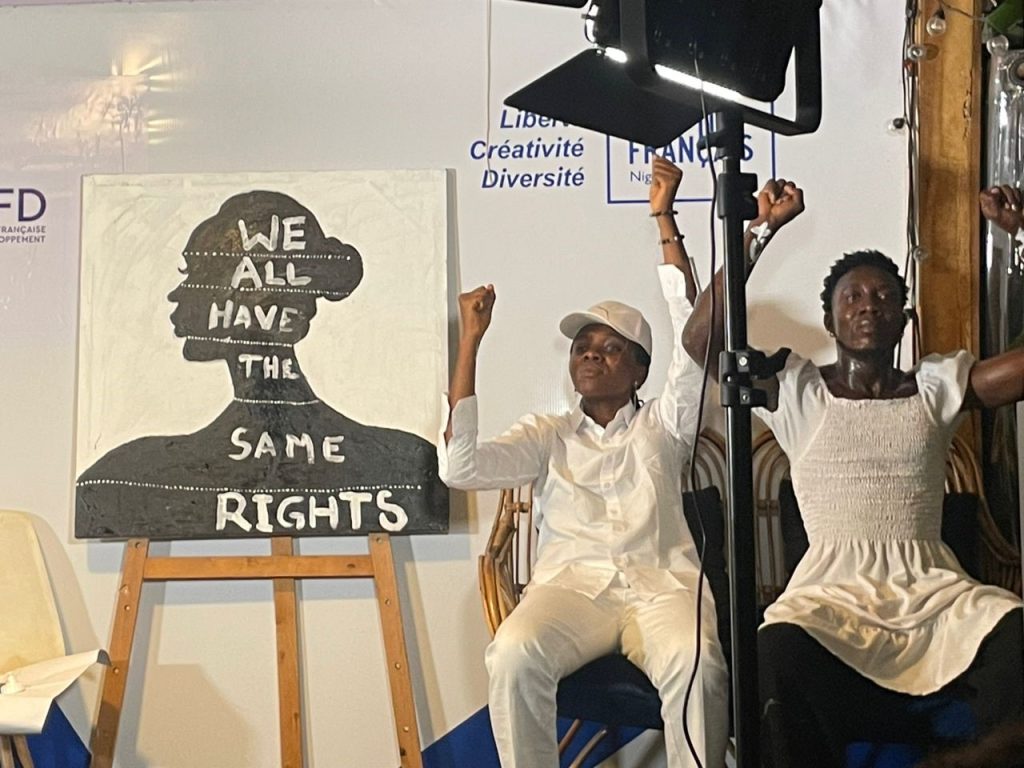
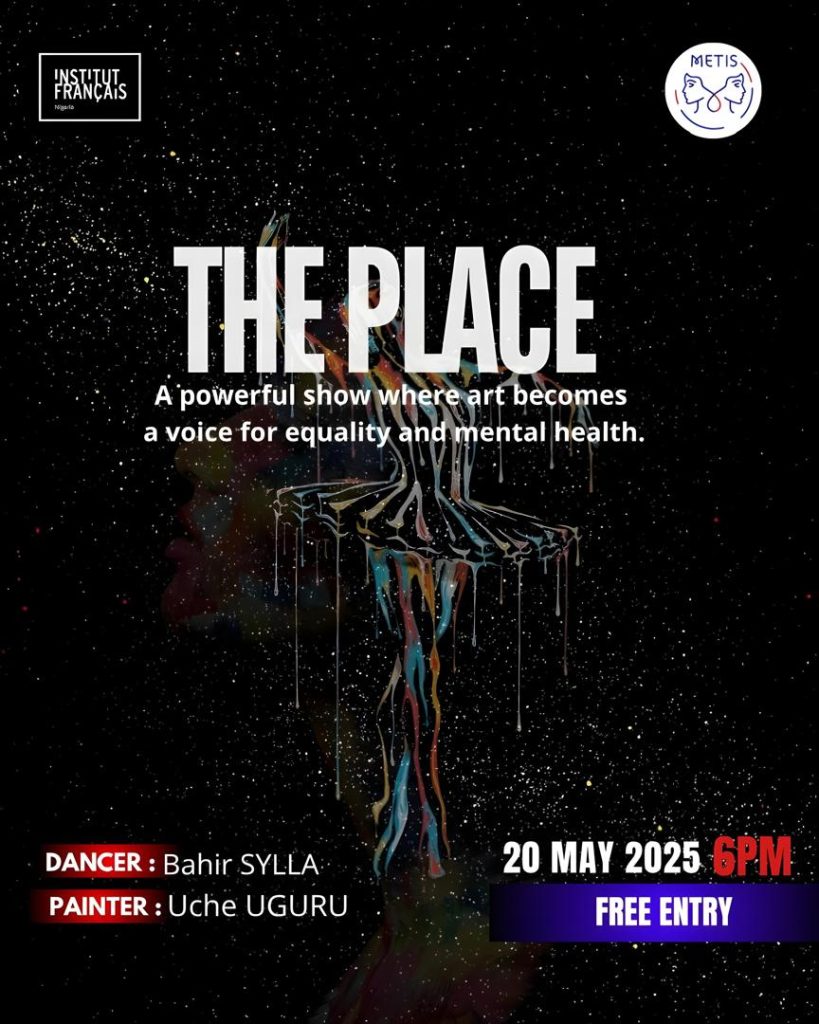
As part of our growing work in mental health and feminist advocacy, team members from Lex Initiative attended “The Place”, a powerful art event held on 20th May 2025 at the Institut Français, Abuja.
The event featured a captivating live collaboration between Bahir Sylla, a dancer from Benin Republic, and Nigerian painter Uche Uguru. Together, they used movement and visual art to tell deeply emotional stories of gender inequality and mental health challenges—shedding light on the hidden struggles women face in society.
Following the performance, a thought-provoking panel brought together the artists, psychologist Mr. Solumbo, and art therapist Miss Sarima, who discussed how creative expression can support healing, challenge stigma, and drive social change.
At LIRAD, we believe that advocacy must speak to both the mind and the heart. Art offers us a language of empathy, resistance, and transformation.
This experience inspires and strengthens our vision for an upcoming Art for Advocacy series that will centre lived experiences, emotional resilience, and intersectional justice through creative mediums.
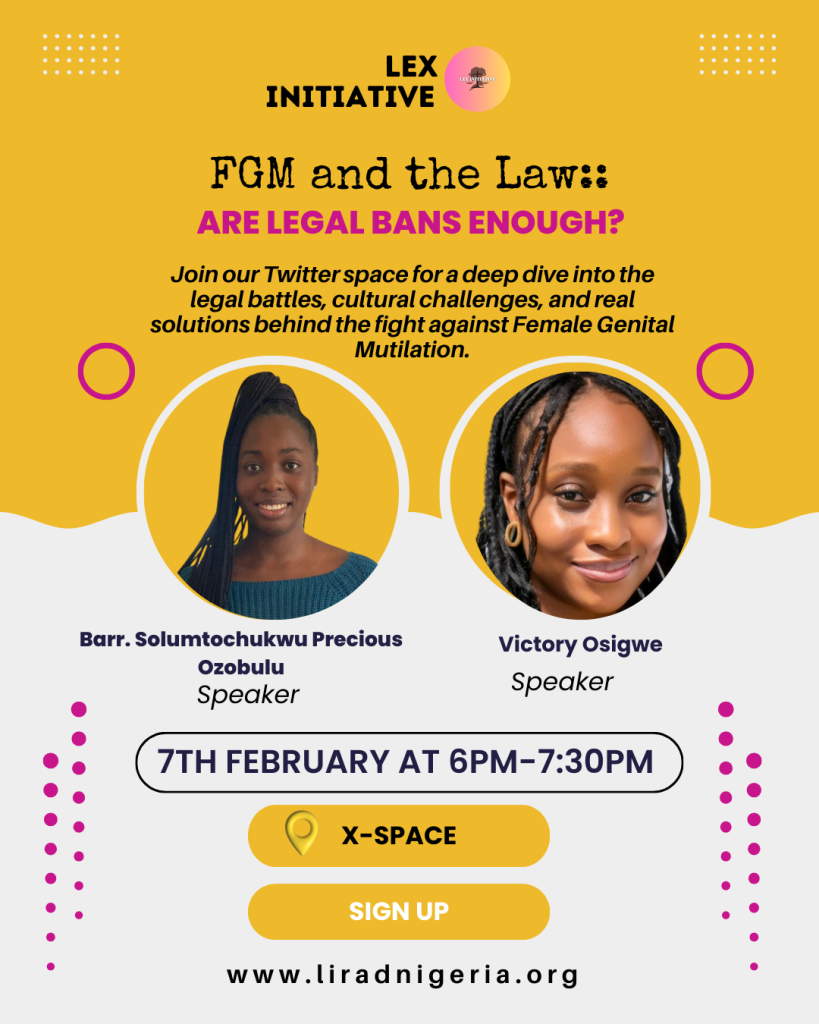
Every year, on 6th February, the world marks the International Day of Zero Tolerance for Female Genital Mutilation (FGM), a stark reminder of the millions of girls and women affected by this harmful practice. The theme for this year, “Stepping up the Pace: Strengthening Alliances and Building Movements to End FGM,” emphasises the urgent need for collaborative, community-driven approaches to eradicate FGM by 2030.
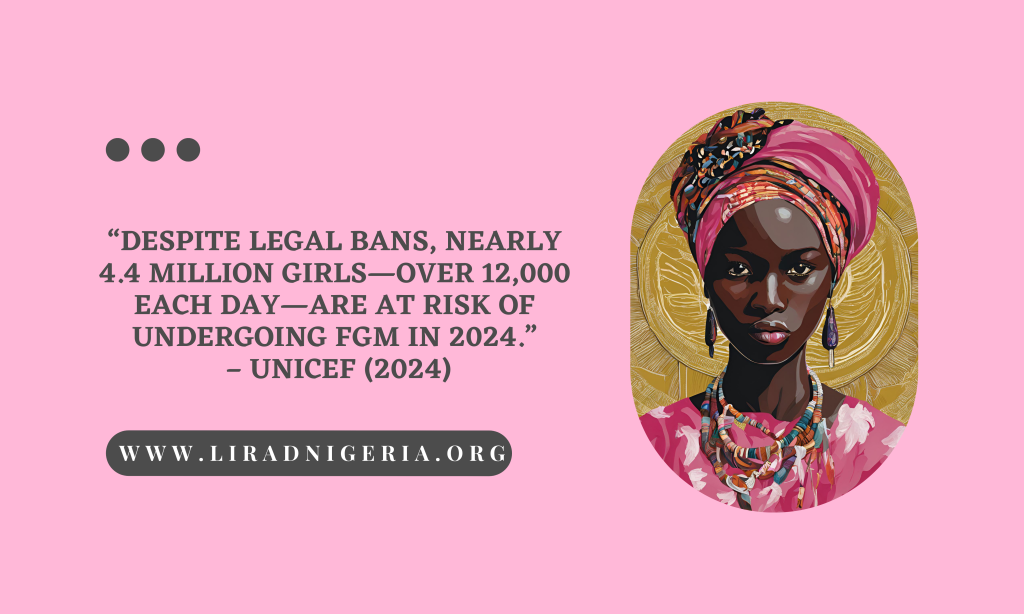
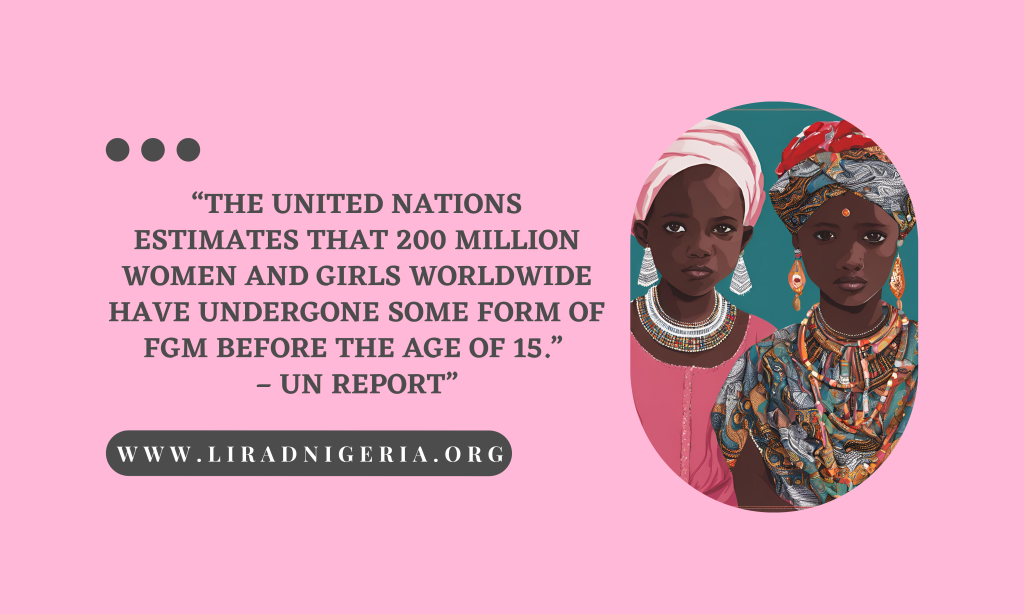
FGM is an extreme violation of human rights. It provides no health benefits and instead results in severe physical, psychological, and reproductive health complications. Although legal bans exist in many countries, they have not been sufficient in eliminating the practice. According to UNICEF (2024), nearly 4.4 million girls—over 12,000 each day—are at risk of undergoing FGM this year alone. Additionally, the United Nations estimates that 200 million women and girls worldwide have undergone some form of FGM before the age of 15.
This article will examine why existing legal frameworks have fallen short in stopping FGM and explore holistic solutions that combine stronger enforcement, grassroots activism, and community-driven interventions.
The Legal Landscape: Progress and Gaps
A. Laws Against FGM: What Exists?
FGM, also known as female genital cutting (FGC) or female circumcision, refers to the partial or total removal of external female genitalia for non-medical reasons. The World Health Organization (WHO) classifies FGM into four categories:
Type I (Clitoridectomy) – Partial or total removal of the clitoral glans.
Type II (Excision) – Removal of the clitoral glans and labia minora, with or without the labia majora.
Type III (Infibulation) – Narrowing of the vaginal opening by repositioning the labia.
Type IV – Other harmful procedures, including pricking, piercing, incising, scraping, and cauterisation.
Globally, international human rights laws recognise FGM as a violation of fundamental rights. Some key frameworks include:
Convention on the Elimination of All Forms of Discrimination Against Women (CEDAW), 1979 – Calls for the elimination of harmful practices against women. Convention on the Rights of the Child (CRC), 1989 – Mandates protection against all forms of violence. International Covenant on Civil and Political Rights (ICCPR), 1966 – Protects individuals from torture and cruel treatment. Maputo Protocol (2003) – A significant African treaty explicitly banning FGM. United Nations Sustainable Development Goal 5.3 – Aims to eliminate all harmful practices, including FGM, by 2030.
B. Nigeria’s Legal Framework
In Nigeria, Edo State was the first to enact a law against FGM—the Edo State Female Circumcision (Prohibition) Law, 1999. This was followed by Cross River’s Girl-Child Marriages and Female Circumcision (Prohibition) Law (2000) and Ekiti State’s Female Circumcision (Prohibition) Law (2002). Several other states, including Lagos, Delta, Osun, and Ondo, have also criminalised the practice.
The most significant legal milestone was the Violence Against Persons (Prohibition) Act (VAPP), 2015, which explicitly criminalises FGM at the national level. As of November 2022, 34 out of Nigeria’s 36 states, along with the Federal Capital Territory (FCT), have domesticated the VAPP Act (Premium Times, 2022).
Why Legal Bans Are Not Enough
While laws are necessary, they do not automatically lead to cultural shifts. Several factors undermine the effectiveness of legal bans:
1. Slow Adoption and Weak Enforcement
Despite the widespread domestication of the VAPP Act, enforcement remains inconsistent. Many cases of FGM go unreported, and prosecutions are rare due to cultural resistance and weak judicial mechanisms.
Example: In Osun State, where FGM prevalence is 76.6%, law enforcement officers have received training on FGM, yet convictions remain low due to community silence and lack of reporting.
2. Lack of Public Awareness
Many individuals, including law enforcement officers and community members, do not know that FGM is illegal. A survey by the Society for the Improvement of Rural People (SIRP) in Enugu State found that:
❌ 95% of respondents had never heard of the VAPP Act. ✅ 90% supported its domestication once informed.
3. Cultural Resistance
FGM is entrenched in tradition. In many societies, it is considered a rite of passage or a prerequisite for marriage, making legal interventions alone insufficient.
Example: In Kenya, despite a strong legal framework, families cross into Tanzania and Uganda to have their daughters cut—highlighting the cross-border challenge of enforcement.
4. The Rise of Medicalised FGM
FGM is increasingly performed by healthcare professionals in private clinics. This creates a false perception of safety and makes legal enforcement more difficult.
Example:UNFPA (2023) reports that one in four cases of FGM is now medicalised, particularly in Egypt, Nigeria, and Sudan.
Beyond the Law: What More is Needed?
To end FGM, a holistic approach is essential, incorporating community engagement, education, and empowerment.
1. Community Engagement & Education
Solution: Work with traditional & religious leaders to shift cultural perceptions. Success Story: In Senegal, the Tostan Program has helped over 9,000 communities abandon FGM by promoting human rights education and alternative rites of passage.
Solution: Conduct public awareness campaigns in local languages through radio, storytelling, and social media.
Success Story: In Ethiopia, radio programmes helped reduce FGM prevalence in some regions by over 30% (UNFPA, 2022).
2. Empowering Women & Girls
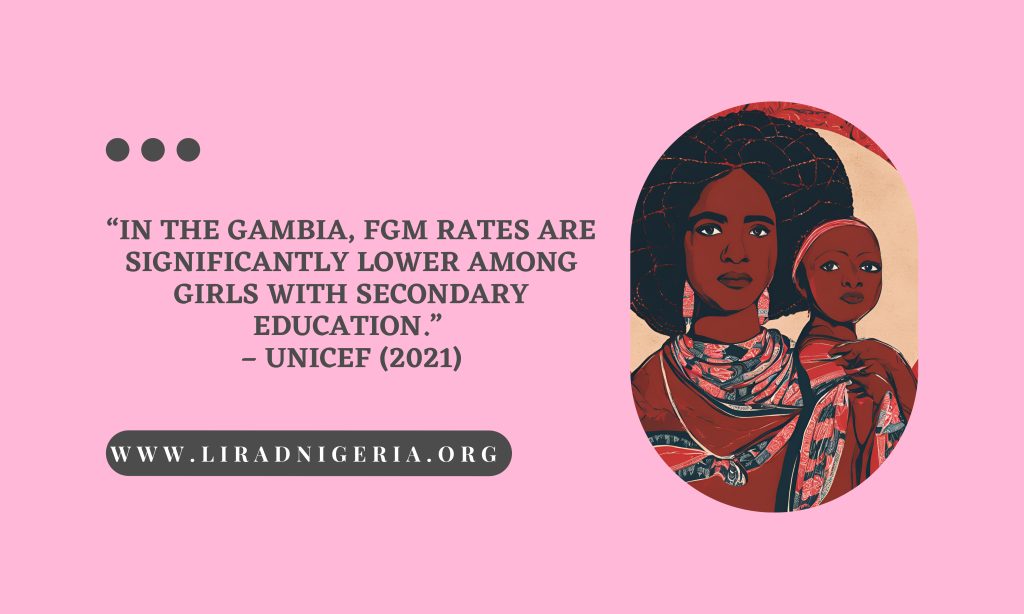
Solution:Education for girls – Keeping girls in school lowers FGM risk by reducing societal pressures. Evidence: In The Gambia, FGM rates are significantly lower among girls with secondary education (UNICEF, 2021).
Solution:Alternative livelihoods for traditional cutters – Many practitioners depend on FGM for income. Success Story: In Burkina Faso, former FGM practitioners were retrained as birth attendants and entrepreneurs.
3. Strengthening Law Enforcement & Reporting Mechanisms
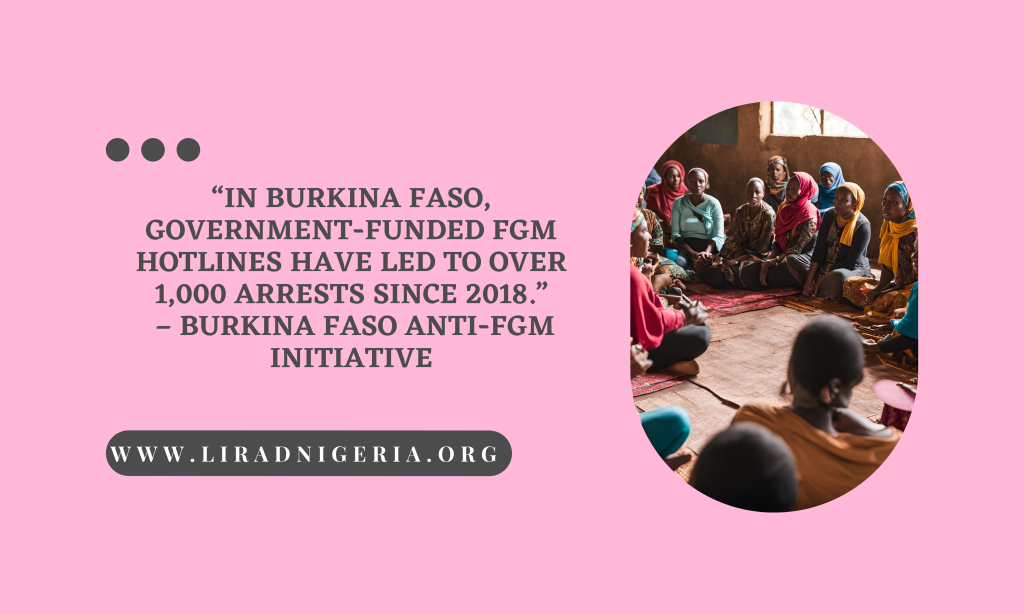
Solution:Mandatory training for law enforcement & judiciary to improve prosecution rates. Solution:Community-based reporting hotlines to provide survivors with anonymous ways to report FGM cases. Success Story: In Burkina Faso, government-funded FGM hotlines led to over 1,000 arrests since 2018.
Solution:Regulation of medical professionals – Stronger penalties for doctors performing FGM. Example:Egypt (2021) introduced strict penalties for medicalised FGM, leading to a sharp decline in cases.
Conclusion: A Holistic Approach to Ending FGM
Key Takeaways: Laws alone will not end FGM – enforcement must be consistent and community-driven. Education and cultural change are key – people abandon harmful traditions when they understand the risks. Empowered girls and women can resist FGM – education & economic independence are crucial.
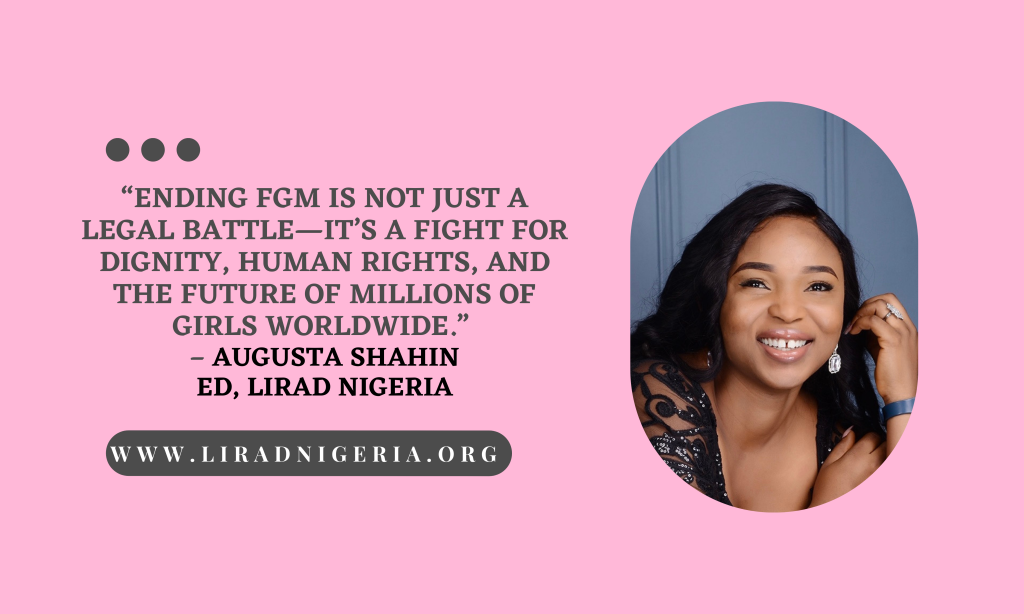
Ending FGM is not just a legal battle—it’s a fight for dignity, human rights, and the future of millions of girls worldwide. Will you be part of the change? #EndFGM #StopTheCut