Skip to content

Call Us

+234 (0) 8142427740

Email

info@liradnigeria.org

Lex Initiative for Rights Advocacy and Development (LIRAD)
donate now
  • Home
  • About Us
  • News

      All News

      Blog

      Annual Report

  • Programs
  • Gallery
  • Contact Us
  • Home
  • About Us
  • News

      All News

      Blog

      Annual Report

  • Programs
  • Gallery
  • Contact Us
×

Lex Initiative

Home
Lex Initiative

Combating Digital Violence Against Women in Nigeria: The Role of the 2024 Cybercrimes (Amendment) Act

In the spirit of 16 Days of Activism 2025, it is important to look closely at how violence shows up in women’s lives, both offline and online. This year’s campaign raises a hard question: what does the digital world really feel like for women in Nigeria?

For many women, the internet is both a lifeline and a risk. It is a place to build businesses, share ideas, learn, and organise. At the same time, it exposes them to threats, humiliation, and attacks that can follow them everywhere, including back into their homes.

Over the past few years, what many once brushed off as social media “wahala” has become a serious safety concern. Women are dealing with anonymous threats, cyberstalking, deepfakes, fake accounts created to shame them, and posts designed to destroy their reputation. Non-consensual sharing of intimate images is now sadly common. A lot of victims end up feeling isolated, embarrassed, and unsure where to seek help.

Part of the problem is that digital violence does not always look like “real” violence in the way society is used to seeing it. There are no bruises, no torn clothes, no blood. Yet the fear is real. The shame is real. The loss of opportunities is real. A woman can lose her job, her mental health, and her sense of safety because someone decided to use technology as a weapon.

For a long time, Nigerian law was better at chasing online banking fraud than protecting women from these kinds of attacks. This is why the Cybercrimes (Prohibition, Prevention, etc.) (Amendment) Act 2024 matters. It arrives at a time when Nigeria’s response to online harm clearly needs improvement. The amendment does not fix everything, but it does offer a clearer legal path in some areas and sends a signal that online abuse is not “just drama”.

What the 2024 Amendment Actually Changes

With the signing of the Cybercrimes (Prohibition, Prevention, etc.) Amendment Act 2024, Nigeria adjusted its main cybercrime law to respond to new threats and to comply with a key ECOWAS Court decision that criticised the old section 24 on cyberstalking. The changes are not a full digital violence law, but they touch on issues that affect women in important ways.

1. Cyberstalking and harmful online content

The 2024 Amendment rewrites section 24, which deals with cyberstalking. The new version focuses on messages that are:

  • pornographic, or
  • false,

and are sent with the intention of causing a breakdown of law and order or threatening someone’s life.

This can apply in cases where women receive threats or are targeted with harmful sexual content that clearly puts their safety at risk. In that sense, the law can be used to challenge some forms of digital violence.

However, it still does not give a clear, stand-alone offence for:

  • image-based abuse (such as the sharing of intimate images without consent),
  • deepfake sexual content, or
  • everyday patterns of harassment that may not reach the high bar of “threat to life” or “breakdown of law and order”.

So while section 24 is now cleaner than before, it still leaves many forms of gendered online abuse in a grey area.

2. Identity theft and misuse of personal data

The amendment also touches on identity theft and impersonation. Previously, some offences in the Act focused mainly on staff of financial institutions. The new law extends liability to staff of any public or private organisation who misuse people’s data.

For women, this matters because:

  • staff in banks, schools, hospitals, telecoms, and other workplaces often have access to photos, contact details, and identity documents
  • when this data is misused, it can be used to set up fake profiles, leak private information, or blackmail women.

The change does not mean that this is the first time impersonation is a crime. Rather, it widens who can be held responsible when insiders abuse their access to sensitive information.

3. Data duties and support for investigations

The Cybercrimes Act has always placed certain duties on service providers. The 2024 Amendment strengthens and updates some of these duties. It ties data handling more clearly to the Nigerian Data Protection Act and shortens timelines for reporting cyber incidents to the relevant cyber response teams.

In simple terms, this should make it easier to:

  • preserve digital evidence, and
  • trace offenders when women report online abuse.

Of course, how this works in real life will depend on whether agencies have the capacity and the will to follow through.

4. Beyond the banking sector

The Cybercrimes Act has always applied to “any person”, not just banks. What the amendment does is extend some provisions that were written with financial institutions in mind so that they now cover staff of any public or private body.

This is important because:

  • banks are not the only ones who hold sensitive data, and
  • abuse of power in workplaces can also fuel digital violence against women.

So the 2024 Amendment shifts the focus from only financial institutions to a wider group of actors who can be held accountable when they misuse digital systems or data.

What the Amendment Does Not Do

It is important to be honest about the limits of the 2024 Amendment.

  • It is not a dedicated law on digital violence against women and girls.
  • It does not clearly define image-based sexual abuse, deepfake pornography, or coordinated harassment as specific offences.
  • It does not set out survivor-centred procedures, such as safe reporting channels, protection of complainants’ identities, or special support measures for victims of online sexual abuse.

Because of these gaps, survivors still have to piece together their protection from different sources:

  • general cybercrime provisions,
  • constitutional rights such as the right to dignity and privacy,
  • state-level laws like the Violence Against Persons (Prohibition) Act where it applies, and
  • data protection rules.

For many women, simply knowing that the law now recognises some of what they face online can bring a measure of relief. It shows that their experience is not trivial. But legal reform on its own is not enough. Public attitudes and institutional practice must also change.

Shifting Public Attitudes

One of the biggest barriers to justice for victims of digital violence is how society reacts.

Too many people still believe that online harassment is something women should ignore, “block and move on”, or treat as a joke. Some women do not report because they think nothing will come out of it. Others remain silent because they fear being blamed for “sharing too much” or “trusting the wrong person”.

This silence helps abusers. It tells them they can do it again.

We need a culture where people understand that digital violence is real violence. Schools, media houses, tech communities, religious and community leaders, civil society groups, workplaces, and families all have a role to play.

Young people, especially, need early education about:

  • digital consent,
  • how to protect their accounts and devices,
  • how to support friends who experience online abuse, and
  • how not to become abusers themselves.

A Call to Action

As we mark this year’s 16 Days of Activism, public statements alone are not enough. The 2024 Cybercrimes Amendment Act sets part of the legal ground. The rest is up to all of us.

To the Women

  • Read the Act and basic explainer guides where they are available.
  • Know that some forms of online abuse are crimes.
  • Do not delete the evidence. Save screenshots, links, emails, and messages.
  • Report to police cybercrime units or other relevant agencies, and reach out to trusted organisations that can support you.

To the Legal Community

  • Take on more pro bono cases for victims of digital violence, especially women who cannot afford legal fees.
  • Learn the details and limits of the Cybercrimes Act, the Amendment, the Data Protection Act, and relevant state laws, so that advice to clients is honest and clear.
  • Use strategic cases to push for better interpretation of existing provisions and advocate for new, dedicated laws on digital violence.

To the Nigerian Public

  • Stop treating online abuse as gossip or entertainment.
  • When you see non-consensual images, threats, or obvious harassment, do not share them or laugh along.
  • Report harmful content on platforms and, where possible, to the relevant authorities.
  • Call out friends and colleagues who mock or blame victims. Silence and jokes send a message that abusers can carry on without consequences.

Conclusion

The Cybercrimes (Prohibition, Prevention, etc.) (Amendment) Act 2024 will not wipe out misogyny from the Nigerian internet. It will not, on its own, protect every woman from digital harm. But it marks a small shift away from the days when online abuse was brushed aside as mere “social media drama”.

Real progress starts with treating women’s digital safety as serious, not optional. The law has taken a step. Now institutions, communities, and individuals must do the work of turning legal text into real protection.

References

  1. Cybercrimes (Prohibition, Prevention, etc.) (Amendment) Act, 2024. Federal Republic of Nigeria.
  2. United Nations Women. (2021). Online and ICT-facilitated violence against women and girls: A global overview. UN Women. https://www.unwomen.org/en
  3. Digital Rights and Inclusion Policy Reports, Nigeria. (2023). Digital harassment and online abuse against women. Centre for Digital Rights and Policy.
  4. Amnesty International. (2020). Toxic Twitter: Online abuse against women in Nigeria. Amnesty International Reports. https://www.amnesty.org
  5. United Nations Human Rights Office. (2021). Cyber violence against women and girls: Policy brief. OHCHR. https://www.ohchr.org

About the Author:

Rindahrimam Yirom is a Lawyer and the Legal and Compliance Officer at Lex Initiative,  where she focuses on protecting and empowering women and vulnerable communities. Her work is driven by a commitment to digital rights, safe technology, and using the law as a tool to advance equality and justice.

HER VOICE, NO FILTER: WHY DIGITAL VIOLENCE AGAINST WOMEN IS MORE THAN ONLINE DRAMA

Every year from 25th November to 10th December, the 16 Days of Activism against Gender Based Violence invites the world to look again at how violence is changing and to renew commitments to end it. In recent years, the focus on digital violence has made it clear that what happens on screens is now part of the main field of struggle, not a side story. In Nigeria, this is easy to see. Social media and messaging apps are where women work, trade, organise, express themselves and build community, but they are also spaces where they are threatened, exposed, shamed and pushed into silence.

This article looks at how that harm plays out, how Nigerian law responds and why these gaps add up to what I call a “silence tax”, the hidden cost women pay to stay safe online.

Digital abuse in Nigeria takes many forms. It includes non-consensual sharing of intimate images, sexual blackmail, threats in private messages, impersonation, doctored photos, abusive comment threads and partners demanding passwords or access to private chats. In 2021, Tiwa Savage, a famous Nigerian Musician, revealed that she was being blackmailed over a sex video involving herself and her partner, and when she refused to pay, the clip was leaked online[1].Despite being a public figure with lawyers and resources, she faced heavy moral judgement and gossip rather than clear recognition that her privacy and dignity had been violated. In May 2025, a woman in Anambra had her own intimate video with a married man go viral, and members of the Umuada reportedly attempted to publicly confront her for “disgracing motherhood”, turning the woman whose privacy was breached into the main target of punishment[2]. Across entertainment platforms there have been cases where men record sexual encounters and share or threaten to share them to grow their following, while the women involved are left to carry stigma, fear and shame. In all these examples, digital exposure quickly becomes a public trial where women absorb most of the blame and those who record, leak and amplify the content often escape serious consequences.

For women who are already marginalised the harm is even sharper. A queer woman who posts a simple photo can be threatened with “outing” to family or employers. A woman with a disability who speaks about her rights can find her body edited into cruel memes or mocked in group chats. A young woman from a low-income area who expresses a political opinion can be insulted, threatened and dragged in long comment threads. These attacks spill into offline life, affecting safety, mental health, work and relationships. Over time many women try to protect themselves by shrinking their online presence, posting less, avoiding their own photos, leaving debates to others or deleting accounts altogether. This is the silence tax: the extra emotional and practical cost women pay just to exist online. Each small adjustment seems reasonable on its own, but taken together they push women out of public conversations and limit whose stories and priorities shape policy, culture and democracy.

Nigeria has laws that touch on online behaviour, but they were not written with this kind of gendered digital harm at the centre. The Cybercrimes (Prohibition, Prevention, etc.) Act 2015 is often treated as the main law for online offences[3]. Section 24 deals with cyberstalking and prohibits messages that are obscene, grossly offensive, indecent, menacing or sent to cause annoyance, intimidation, hatred or ill will[4]. Section 22 addresses identity theft and impersonation[5], while sections 14 and 16 criminalise computer related forgery and unlawful access to data[6]. These provisions are useful when abuse takes the form of direct threats, impersonation or hacking. But the Act does not name or define technology assisted gender-based violence, does not criminalise non consensual sharing of intimate images and does not mention platforms that circulate leaked sexual content as routine “engagement”.

The Violence Against Persons (Prohibition) Act 2015 applies in the Federal Capital Territory and in states that have domesticated it[7] and recognises a wide range of non-physical violence.[8] It defines emotional, verbal and psychological abuse as conduct that seriously harms a person’s mental wellbeing[9], and criminalises intimidation, coercion, economic abuse and harmful cultural practices[10]. This framework is important, but it was drafted with offline violence in mind and does not reference digital activity, deepfakes, image based abuse or the rapid spread of leaked material online. Without explicit language, survivors encounter uneven or dismissive responses when they try to report digital abuse.

These gaps in the law appear clearly in practice. In Tiwa Savage’s case, the focus shifted to her behaviour rather than the blackmail and non-consensual distribution she faced. In the Anambra case, community outrage centred on the woman whose privacy was violated rather than the person who recorded and circulated the video. Across Nigeria, survivors are routinely advised to block their abusers, log off social media or “settle privately”, shifting responsibility back onto the women affected. For a queer woman being threatened with exposure or a market woman whose video has spread among neighbours and customers, logging out does nothing to repair the damage.

For women already on the margins before any video or screenshot leaked, the law’s silence combines with class, stigma and social control to create harsher outcomes. A queer woman dealing with digital blackmail faces not just cyberstalking but the risk of “outing” in an unsafe environment. A woman with a disability who becomes a meme may struggle to get authorities to see the harm as real. A widowed market trader whose former partner posts her intimate photos may lack access to cybercrime units or legal support.

The way social media platforms are designed and enforced also shapes these experiences. When moderation teams do not understand Nigerian languages and context, abusive content aimed at women is more likely to slip through and stay online. Reporting systems may be slow or unclear. Channels that share leaked videos can operate openly without immediate removal. In a country where many women cannot count on fast or sensitive police action, platform decisions about what to allow and how quickly to respond form part of the safety net, and when that net is weak the harm spreads wider.

All of this affects public life. Social media is now a major space where Nigerians debate politics, share information during crises, organise around issues and tell stories about gender-based violence, police brutality, corruption, fuel prices and climate impacts. When women face disproportionate abuse for being visible online, many reduce their participation or disappear from these spaces. The result is a public conversation dominated by male voices and filtered through social and cultural silence.

Responding to this reality requires legal and practical reforms. The Cybercrimes Act should be amended to include a clear offence for non consensual sharing of intimate images and other forms of image-based abuse, and to give guidance on digitally facilitated sexual violence and persistent gender targeted harassment. The VAPP framework should be interpreted, and if necessary amended, to explicitly include digital abuse within emotional, verbal and psychological violence, with examples such as sharing sex videos without consent, posting edited intimate images, doxxing and coordinated harassment. Police and prosecutors need practical guidelines on evidence collection, digital reporting and survivor centred procedures.

On the practical side, law enforcement requires training on digital harm and evidence preservation. Social media companies should invest more in Nigerian language moderation, faster takedowns and firmer action against accounts that distribute leaked intimate material. Civil society organisations, including Lex Initiative, can expand digital safety education for young women, queer women, women with disabilities and women in low-income communities.

Digital spaces are now woven into daily life in Nigeria. Violence that happens through a screen is part of the same chain of harm that laws like the VAPP Act were created to interrupt. Recognising digital violence as real violence is essential if women are to participate fully and safely in public life. Her Voice, No Filter is more than a campaign line; it is a reminder that no woman should have to pay a silence tax just to exist online.

About the author:

Green C Oge-Ali is a Lawyer and the Programs Manager at Lex Initiative, working on gender justice and the rights of women and minority groups. She is also the Founder of Verdant Juris Firm and a Partner at NexusADR LLP.

REFERENCES:

1.BBC News, ‘Nigeria’s Tiwa Savage reveals sex tape blackmail’ (8 October 2021) www. https://www.bbc.com/news/world-africa-58844381

2.  Linda Ikeji’s Blog, ‘Anambra umuada members stopped from attacking woman whose sex tape with a married man went viral’ (25 May 2025) https://www.lindaikejisblog.com/2025/5/anambra-umuada-members-stopped-from-attacking-woman-whose-s3x-t-at-pe-with-a-married-man-went-viral-2.html

3. Nigeria, Cybercrimes (Prohibition, Prevention, etc.) Act 2015.

4. Cybercrimes (Prohibition, Prevention, etc.) Act 2015, s 24.

5. Cybercrimes (Prohibition, Prevention, etc.) Act 2015, s 22.

6. Cybercrimes (Prohibition, Prevention, etc.) Act 2015, ss 14, 16.

7. VAPP Tracker https://www.partnersnigeria.org/vapp-tracker/

8. Violence Against Persons (Prohibition) Act 2015.

9. Violence Against Persons (Prohibition) Act 2015, s 46. 10. Violence Against Persons (Prohibition) A


[1] BBC News, ‘Nigeria’s Tiwa Savage reveals sex tape blackmail’ (8 October 2021) www. https://www.bbc.com/news/world-africa-58844381 accessed 20th, Nov 2025.

[2] Linda Ikeji’s Blog, ‘Anambra umuada members stopped from attacking woman whose sex tape with a married man went viral’ (25 May 2025) https://www.lindaikejisblog.com/2025/5/anambra-umuada-members-stopped-from-attacking-woman-whose-s3x-t-at-pe-with-a-married-man-went-viral-2.html accessed 20th Nov, 2025.

[3] Cybercrimes (Prohibition, Prevention, etc.) Act 2015.

[4] Cybercrimes (Prohibition, Prevention, etc.) Act 2015, s 24.

[5] Cybercrimes (Prohibition, Prevention, etc.) Act 2015, s 22.

[6] Cybercrimes (Prohibition, Prevention, etc.) Act 2015, ss 14, 16.

[7] VAPP Tracker https://www.partnersnigeria.org/vapp-tracker/ accessed 21st Nov 2025.

[8] Violence Against Persons (Prohibition) Act 2015.

[9] Violence Against Persons (Prohibition) Act 2015, s 46.

[10] Violence Against Persons (Prohibition) Act 2015, ss 2–3.

LIRAD Partners with Benue Youth Summit to Champion Gender-Responsive Climate Justice

We are pleased to announce that the Lex Initiative for Rights, Advocacy and Development (LIRAD) has been confirmed as an official partner of the Benue Youth Summit 2025, scheduled for 17–18 September 2025.

As part of this collaboration, LIRAD will co-host a session titled:
“Youth, Gender, and Climate Justice: Co-Creating a Sustainable Future for Benue.”

This session will bring together young female lawyers, climate advocates, grassroots women’s leaders, and policymakers to:
• Highlight the gendered impacts of climate change in Benue.
• Champion the role of young female lawyers in shaping climate governance.
• Explore opportunities for equitable access to climate finance.
• Co-create actionable recommendations for inclusion in the Benue Youth Declaration.

For LIRAD, this partnership represents another important step in our mission to advance feminist lawyering and ensure that climate justice in Nigeria is inclusive, gender-responsive, and accountable to the communities most affected.

Stay tuned for updates and insights from the Summit!

ClimateJustice #YouthForJustice #GenderEquality #BenueYouthSummit2025 #UNexclusion

African Climate Justice Benue State Youth Policy Benue Youth Summit 2025 Climate Change Act Nigeria Climate Finance Nigeria Climate Governance Nigeria Climate Justice Nigeria Feminist Climate Justice Feminist Lawyering Nigeria Gender and Climate Justice Nigeria Gender and Climate Policy Africa Gender Responsive Climate Action lex initiative lirad nigeria NDC 3.0 Nigeria Nigerian Youth Summit SDGs Nigeria Sustainable Development Nigeria Women and Sustainable Development Women in Climate Governance Women Lawyers Nigeria Youth and Climate Change Nigeria Youth Empowerment Benue Youth Leadership Nigeria

Volunteer Lawyers Wanted: Defend Nigeria’s Most Marginalised Women

Join the Legal Frontline of Feminist Justice

Across Nigeria, women are jailed for petty offences, dispossessed of land, and denied justice.
LIRAD is building a feminist legal movement to change that and we need you.


What You’ll Be Doing

Pro Bono Representation
Provide legal support for women facing gender-based violence, workplace injustice, family law disputes, wrongful incarceration, and systemic human rights violations.

Legal Clinics
Join a team delivering free legal aid across 5 strategic clinics in Nigeria—starting in Abuja. You’ll consult, represent, and support over 1,000 grassroots women and girls each year.

Strategic Litigation
Challenge discriminatory laws. Set bold legal precedents. Help redefine the justice system from the ground up.

Legal Empowerment & Training
Train future paralegals. Mentor young women defenders. Deliver accessible rights education in underserved communities.

Policy & Research
Conduct feminist legal research. Support policy reform and advocacy campaigns that drive real-world change.

We work with women most excluded from justice—LBQ women, sex workers, single mothers, women living with HIV, women with disabilities, displaced and incarcerated women, and women criminalised by poverty, drug use, or sex work.


Why Volunteer with LIRAD?

  • Be part of a powerful network of 150+ women lawyers advancing feminist justice nationwide.
  • Get exclusive capacity-building in trauma-informed lawyering, intersectional feminism, and SOGIESC rights.
  • Gain hands-on experience in public interest litigation, grassroots advocacy, and community legal empowerment.
  • Shape a more inclusive, more just legal system for every woman.

We’re Recruiting:

🔹 Pro Bono Lawyers (GBV, Family Law, Climate & Environmental Justice, SRHR)
🔹 Legal Clinic Consultants (Advisory, Mediation, Client Care)
🔹 Feminist Legal Trainers & Mentors
🔹 Legal Researchers & Policy Analysts
🔹 Strategic Litigation Collaborators


Apply Now

📩 Send your CV + short statement of interest to: info@liradnigeria.org
OR fill out the form here: https://forms.gle/oCCRdoQ12mh5jbo79

🕒 Deadline: August 20, 2025
Applications will be reviewed on a rolling basis. Early submissions encouraged.


This is more than volunteering. This is movement lawyering.
Ready to join the fight?


“Justice and equality for every woman” – LIRAD Vision

Access to justice for women Nigeria Feminist legal movement feminist solidarity gender equality Gender justice legal initiative Intersectional feminism Legal aid for women in Nigeria lex initiative marginalised women NGO legal volunteer opportunities Public interest law Nigeria Strategic litigation Nigeria Volunteer female lawyers Nigeria Volunteer human rights lawyers

Lex Initiative Joins the Call to Decriminalise Drug Use and Protect Harm Reduction for Marginalised Women

On June 27, 2025, Lex Initiative proudly joined activists, advocates, and community members at the 3rd Edition of the Nigerian Drug User Community Dialogue, held virtually to commemorate the global Support. Don’t Punish Day of Action.

Hosted by the Drug Harm Reduction Advocacy Network (DHRAN), this year’s theme “Decriminalize – To Protect the Gains of Harm Reduction Amidst Dwindling Donor Funding” highlighted the urgent need to prioritise human rights, health, and care over criminalisation and stigma.

A Feminist Legal Voice for Women Who Use Drugs

Speaking during the Dialogue, our Executive Director, Augusta Yaakugh-Shahin, shared Lex Initiative’s deep commitment to advancing justice for marginalised women who use drugs, a group often ignored in policy conversations but disproportionately affected by punitive drug laws.

“Harm reduction is a justice issue, and we cannot talk about justice without centring the experiences of women, especially poor, queer, and gender-diverse women, who use drugs and face daily threats to their freedom, dignity, and safety. At Lex Initiative, we are committed to walking alongside them.”

Our Commitments

In alignment with our mission to promote feminist legal empowerment, Lex Initiative is taking action to support marginalised women who use drugs in Nigeria through the following commitments:

  • Legal Literacy and Rights Awareness: We will offer tailored Know-Your-Rights sessions for women who use drugs, focusing on arrest procedures, discrimination, and access to legal aid.
  • Support for Survivors: We will work with partners to document cases of abuse, extortion, and sexual violence against women who use drugs, especially during arrest or detention, and provide legal support and referrals.
  • Feminist Advocacy Campaigns: We will co-create campaigns that challenge harmful narratives, amplify the lived realities of women drug users, and advocate for inclusive drug policies.
  • Leadership and Legal Empowerment: We aim to build the legal and advocacy capacity of women who use drugs, training them as peer educators, paralegals, or community organisers within their networks.
  • Solidarity and Resource Support: We will collaborate with DHRAN to mobilise resources, co-develop proposals, and link grassroots women-led harm reduction efforts to feminist and human rights funding spaces.

Why This Matters

In Nigeria, women who use drugs face unique layers of marginalisation, from gender-based violence to the loss of child custody, social exclusion, and criminal charges without due process. Many are denied access to justice simply because they are poor, stigmatised, or afraid to speak out.

At Lex Initiative, we believe that these women deserve more than punishment, they deserve protection, power, and pathways to justice.


Join Us in This Journey

We call on feminist allies, harm reduction networks, donors, and legal professionals to join us in standing with marginalised women who use drugs. If you’re interested in partnership or learning more about our work, email us at info@liradnigeria.org.

Justice begins when we choose to care. And we care deeply.

Decriminalisation of drug use in Nigeria DHRAN Nigeria Drug policy reform Nigeria Feminist harm reduction response Feminist legal advocacy Nigeria Gender and drug policy Harm reduction in Nigeria Human rights for drug users Legal aid for women who use drugs Marginalised women and drug use Support Don’t Punish Nigeria

Democracy, Good Governance, and Inclusive Justice: Why Legal Visibility Must Include Marginalised Women

Group of Nigerian women standing in front of national flags and coat of arms, holding legal documents. They are dressed in traditional and modern attire, symbolising inclusion and legal empowerment. Banner reads: “Democracy, Good Governance, and Inclusive Justice: Why Legal Visibility Must Include Marginalised Women.”

By Lex Initiative for Rights, Advocacy and Development (LIRAD)

Every June 12, Nigeria commemorates Democracy Day, a moment to reflect on the ideals of justice, participation, and accountability that form the bedrock of democratic governance. But for many Nigerian women, particularly those living at the margins of legality and visibility, these ideals remain distant promises, not lived realities.

Democracy is not merely the right to vote or the presence of elected officials. A truly democratic society must uphold justice, transparency, and equal participation for all, including the women society often renders invisible.

At LIRAD, we believe that democracy without access to justice is exclusion by design.

Where Democracy Falters: Legal Invisibility as Structural Violence

While Nigeria’s 1999 Constitution promises equal protection and non-discrimination, in practice, many women remain systematically excluded from the legal and civic processes that affect their lives. From sexual and gender-based violence survivors who fear hostile legal systems, to women with disabilities denied public services, and sexual minority women facing criminalisation and stigma, democracy often fails those who are not formally protected under the law.

Legal invisibility manifests when:

  • Policies are made without the voices of grassroots women;
  • Survivors of injustice lack safe, affordable, and responsive legal recourse;
  • Laws are selectively enforced or written in language that excludes the lived realities of women.

This is not a deficit of democracy in principle, it is a failure of democratic practice.

Our Response: Building an Inclusive Justice Culture

At LIRAD, we do not accept this exclusion as inevitable. Our work is grounded in the belief that justice must be inclusive to be credible, and governance must be participatory to be legitimate.

Through our programmes, we:

  • Train women leaders across communities to understand civic processes, navigate public institutions, and hold duty-bearers accountable;
  • Facilitate policy dialogues where marginalised women can speak directly to lawmakers and influence reform agendas;
  • Create civic engagement platforms, such as town halls, strategic litigation forums, and “Justice Over Coffee” dialogues, that link grassroots realities with systemic change.

These are not token engagements. They are acts of democratic deepening, reclaiming spaces where women’s voices have been sidelined or silenced.

Democracy as a Gendered Promise

The health of any democracy can be measured by the participation of those most excluded from power. When women, especially poor, rural, displaced, or queer women , are left out of policymaking, that democracy is weakened. When they are empowered to shape the laws and institutions that govern their lives, democracy becomes a tool of justice, not merely governance.

The pathway to inclusive democracy is not paved with slogans but with systems,  systems that protect, consult, and resource women as rights-holders, leaders, and changemakers.

Call to Act for Legal Visibility and Democratic Equity

This Democracy Day, we reaffirm our commitment to #AccessToJustice for all, not as charity, but as a democratic necessity. We call on:

  • The Nigerian government to implement gender-responsive reforms across justice institutions;
  • Civil society and media to amplify the voices of marginalised women, especially those historically excluded from public discourse;
  • Citizens to hold space for intersectional participation, where identities do not disqualify people from justice but strengthen the diversity of the democratic voice.

Because a democracy that does not see all its people, cannot serve all its people.

At LIRAD, we are not just defending democracy. We are building it, with women at the centre.

access to justice for all democracy day nigeria 2025 feminist law and democracy gender and governance in nigeria inclusive governance nigeria legal visibility for women lex initiative nigeria LIRAD democracy campaign marginalized women and justice women in leadership nigeria

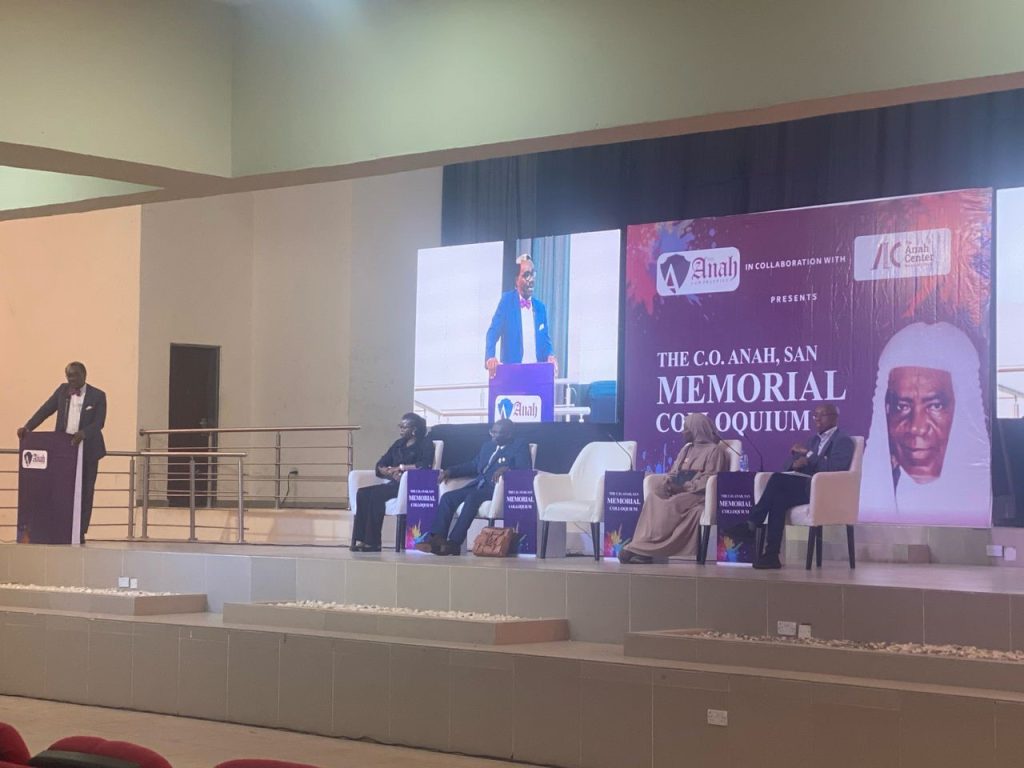
LIRAD Joins the Call for Judicial Integrity at C.O. Anah, SAN Memorial Colloquium

LIRAD participated in the 4th C.O. Anah, SAN Memorial Colloquium on judicial independence and human rights. Key insights on reforming Nigeria’s legal system.

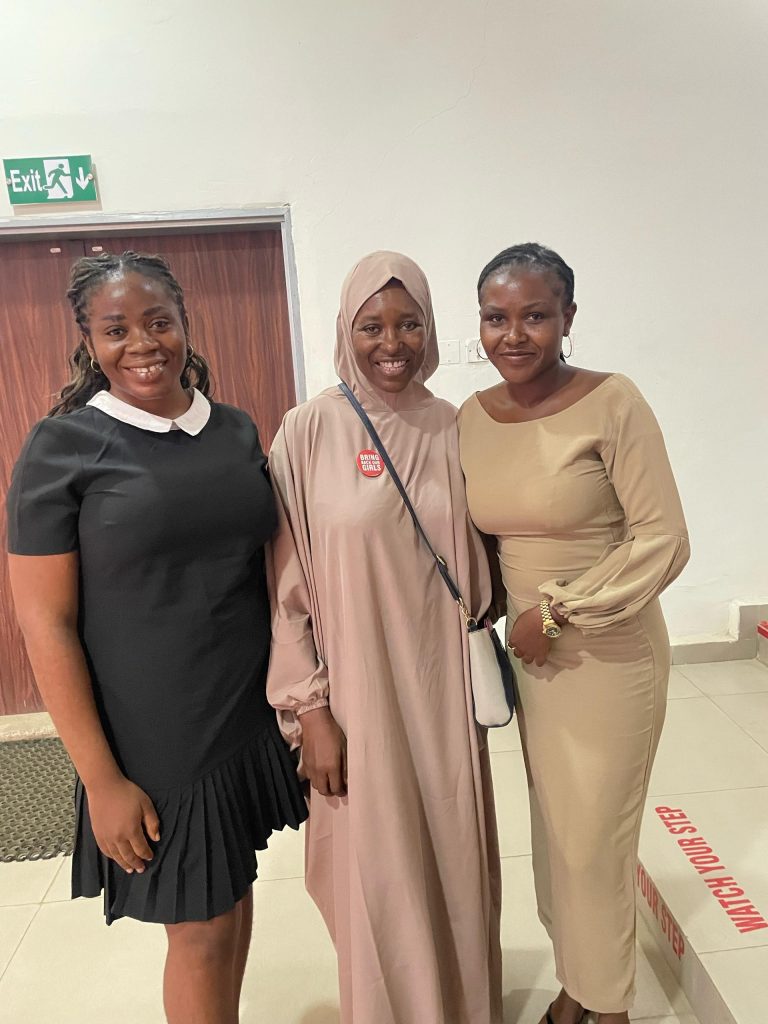
On 29th May 2025, the Lex Initiative for Rights Advocacy and Development (LIRAD) participated in the 4th C.O. Anah, SAN Memorial Colloquium, hosted at the Nigerian Bar Association (NBA) Secretariat in Abuja. Themed “Independence of the Judiciary and the Guardianship of Human Rights,” the event was organised by The Anah Center for Social Justice and gathered senior judges, legal scholars, and human rights defenders to examine the crisis facing Nigeria’s judiciary.

The colloquium addressed critical issues such as political interference, unethical judicial appointments, and the growing risks faced by courageous judges. A moving testimony by Hon. Justice Alaba Omolaye-Ajileye detailed threats to his life while presiding over a sensitive case—highlighting the personal cost of judicial integrity. Activist Aisha Yesufu and legal scholars like Prof. Chidi Odinkalu and Prof. Ernest Ojukwu issued bold calls for systemic reform, transparency, and protection for principled judges.

“Judicial independence is not just a legal principle—it is a human right. When it crumbles, so does our access to justice.” — Prof. Chidi Odinkalu

LIRAD’s participation reflects our ongoing commitment to promoting judicial accountability, protecting the rule of law, and advocating for reforms that restore public confidence in Nigeria’s justice system.

Key Insight: The judiciary must be both independent and accountable—our legal future depends on it.

📩 For legal advocacy partnerships and justice reform collaboration, reach out to us at info@liradnigeria.org

human rights and the judiciary judicial independence in Nigeria legal advocacy organisations Nigeria Lex Initiative for Rights Advocacy rule of law advocacy Nigeria threats to judges in Nigeria transparency in judicial appointments

The Place: LIRAD Explores the Power of Art in Advocacy and Healing

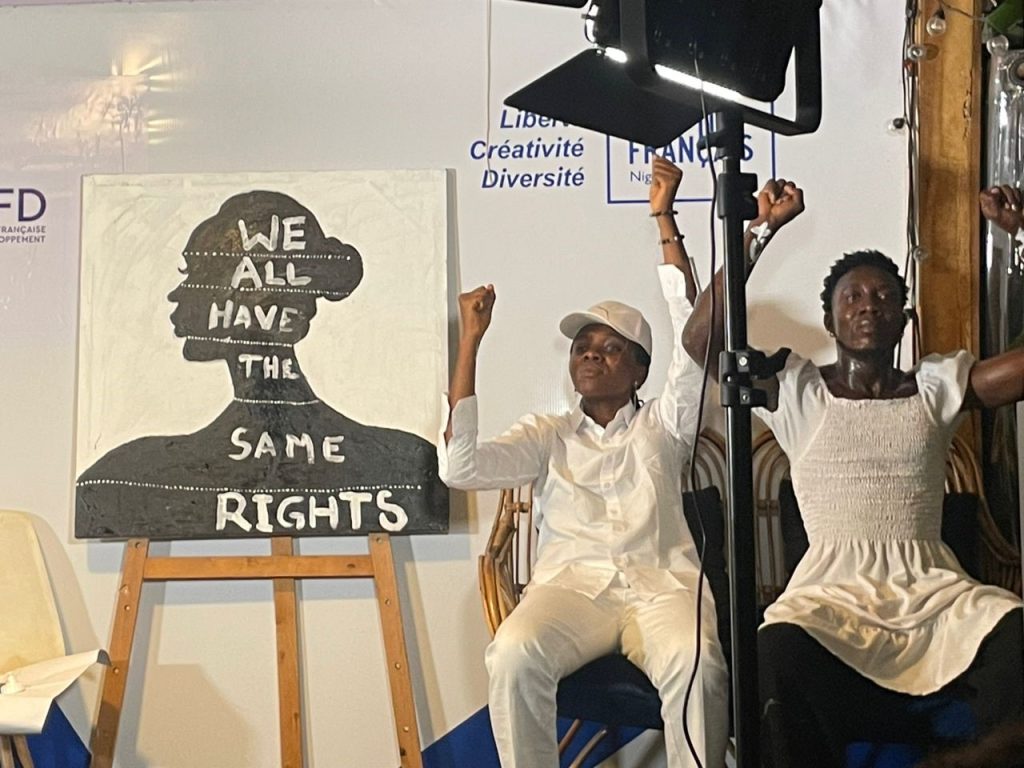
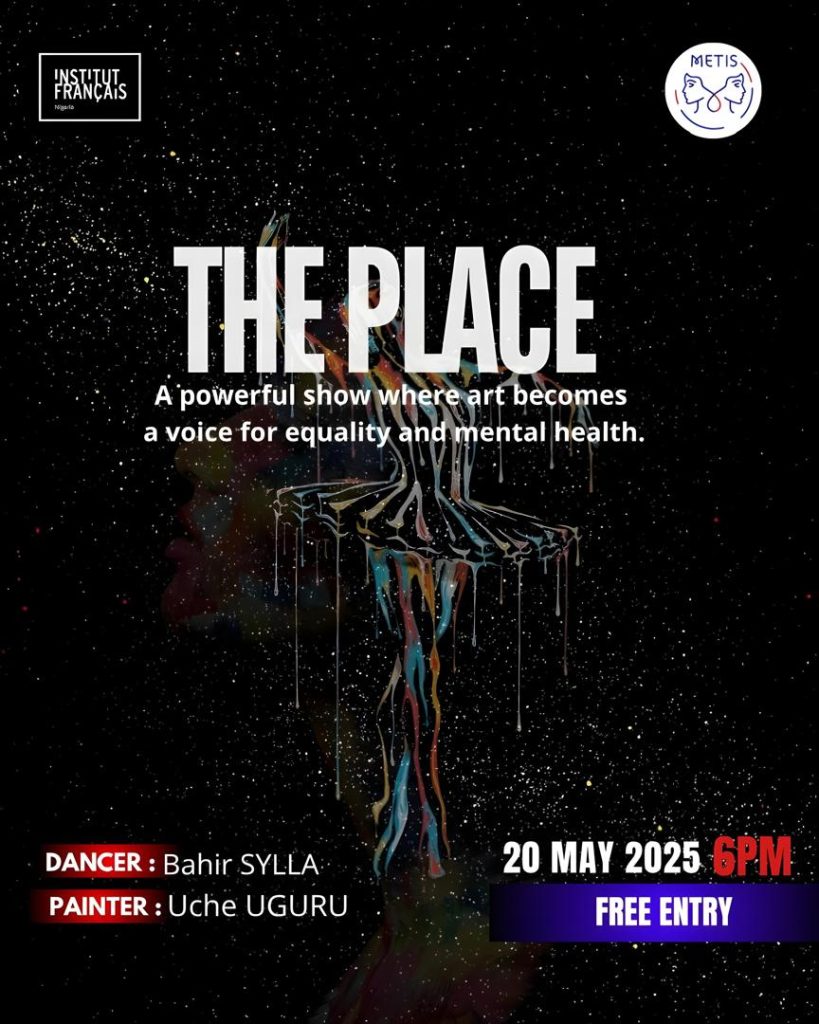
The Place – art event in Abuja exploring gender equality and mental health through dance and painting, organised by Institut Français Nigeria

As part of our growing work in mental health and feminist advocacy, team members from Lex Initiative attended “The Place”, a powerful art event held on 20th May 2025 at the Institut Français, Abuja.

The event featured a captivating live collaboration between Bahir Sylla, a dancer from Benin Republic, and Nigerian painter Uche Uguru. Together, they used movement and visual art to tell deeply emotional stories of gender inequality and mental health challenges—shedding light on the hidden struggles women face in society.

Following the performance, a thought-provoking panel brought together the artists, psychologist Mr. Solumbo, and art therapist Miss Sarima, who discussed how creative expression can support healing, challenge stigma, and drive social change.

At LIRAD, we believe that advocacy must speak to both the mind and the heart. Art offers us a language of empathy, resistance, and transformation.

This experience inspires and strengthens our vision for an upcoming Art for Advocacy series that will centre lived experiences, emotional resilience, and intersectional justice through creative mediums.

📩 For partnership or project collaborations, reach us at info@liradnigeria.org

art for advocacy in Nigeria creative advocacy for social justice feminist art Nigeria gender equality and mental health gender-based advocacy organisations Nigeria healing through art performance intersection of art and activism lirad nigeria

Recent Posts

  • Combating Digital Violence Against Women in Nigeria: The Role of the 2024 Cybercrimes (Amendment) Act
  • HER VOICE, NO FILTER: WHY DIGITAL VIOLENCE AGAINST WOMEN IS MORE THAN ONLINE DRAMA
  • Disconnected Twice: Why Digital Inclusion Is a Lifeline for Nigerian Girls in Crisis
  • LIRAD Partners with Benue Youth Summit to Champion Gender-Responsive Climate Justice
  • Analysis of Nigeria’s Cybercrime (Prohibition, Prevention, etc.) (Amendment) Act 2024 and Technology-Facilitated Gender-Based Violence

Recent Comments

    Get Project Updates

    With your support, we can be on the ground early to help marginalised women recover and rebuild.

    Lex Initiative for Rights Advocacy and Development (LIRAD)

    Address

    Hill Court B Estate, 38 Ishaya Shekari Crescent, 2nd Avenue, Gwarimpa, Abuja, Nigeria

    Menu

    • About Us
    • Programs
    • Blog
    • Contact Us

    Latest Posts

    Combating Digital Violence Against Women in Nigeria: The Role of the 2024 Cybercrimes (Amendment) Act

    December 4, 2025 / Blog

    HER VOICE, NO FILTER: WHY DIGITAL VIOLENCE AGAINST WOMEN IS MORE THAN ONLINE DRAMA

    November 26, 2025 / Blog

    Disconnected Twice: Why Digital Inclusion Is a Lifeline for Nigerian Girls in Crisis

    October 11, 2025 / Blog

    Follow Us

    Instagram Facebook

    © 2024 LEX INITIATIVE FOR RIGHTS ADVOCACY AND DEVELOPMENT. ALL RIGHTS RESERVED